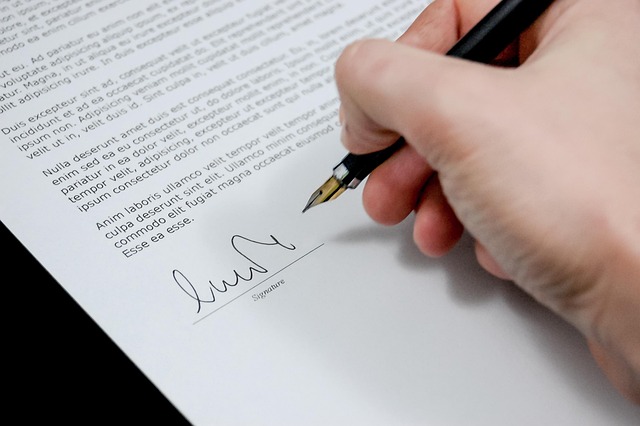
The purchase agreement is a crucial legal document for real estate transactions, detailing key components such as property details, price, closing costs, and contingencies. First-time buyers should understand borrower requirements, including repayment terms, interest rates, and property condition assessments through inspections. Proactive communication with lenders and consultation with mortgage specialists aid in preparing financial documents efficiently. Researching loan types empowers informed decisions. Early understanding and strategic navigation of the purchase agreement ensure a smooth path to homeownership while avoiding financial traps.
For many, purchasing a home is a life-changing event, yet the intricacies of real estate transactions can be daunting for first-time buyers. Understanding the purchase agreement is paramount to ensuring a smooth process and protecting one’s interests. This article serves as an authoritative guide, breaking down complex concepts into actionable insights. We’ll demystify the purchase agreement, highlighting critical clauses and offering practical advice tailored for those new to homeownership. By the end, readers will be equipped with the knowledge to navigate this essential step confidently.
Understanding the Basics of Purchase Agreements

When entering into a home purchase for the first time, understanding the fundamentals of a purchase agreement is paramount. A purchase agreement forms the legal basis of your real estate transaction, outlining the terms and conditions between buyer and seller. It’s more than just a piece of paper; it’s a safeguard, ensuring transparency and protecting both parties’ interests. Key elements within this agreement include the property details, sale price, closing costs, and various contingencies such as inspection and financing.
For first-time buyers, navigating these agreements can seem daunting. However, familiarizing yourself with common clauses is empowering. For instance, understanding the purchase agreement borrower requirements can help you prepare financially and documentarily. Lenders typically demand a detailed financial assessment, including proof of income, employment history, and assets. Meeting these criteria strengthens your position as a responsible borrower and increases your chances of a successful transaction.
An important aspect to grasp is the concept of contingencies. Many buyers opt for home inspections to assess potential issues. If concerns are found, these may impact the purchase price or prompt the buyer to terminate the agreement without penalty. Additionally, financing contingencies are common, allowing buyers to secure a mortgage before proceeding. This shows good faith and helps avoid delays caused by unforeseen financial hurdles.
Practical advice for first-timers involves seeking professional guidance. Real estate agents and attorneys specializing in residential purchases can offer valuable insights tailored to your unique situation. They can clarify complex terms, ensure all requirements are met, and even help negotiate favorable terms. Remember, a solid understanding of the purchase agreement borrower requirements and general clauses will enable you to confidently navigate this crucial step in your homeownership journey.
Key Components to Review Before Signing

When considering a purchase agreement for the first time, it’s crucial to scrutinize several key components before signing. This is your entry point into homeownership, and every detail matters. A thorough review ensures you understand your rights, responsibilities, and financial obligations. Among the most critical aspects in any purchase agreement borrower requirements are the terms of repayment, interest rates, closing costs, and the condition of the property.
First, repayment terms clearly outline how much you’ll pay monthly, over what period, and how those payments will be structured. Understanding the amortization schedule, which details how your payment is allocated to principal and interest, is essential for budgeting. For example, a 30-year mortgage with a fixed rate provides stability, while a shorter term might offer lower interest but requires larger monthly payments.
Second, interest rates directly impact the total cost of borrowing. Shop around for the best rate possible, keeping in mind that even a small percentage point difference can save you thousands over the life of the loan. Fixed rates offer predictability, while adjustable rates (ARMs) may start lower but could increase later.
Third, closing costs are various fees associated with finalizing the purchase. These include appraisal fees, title search fees, and lender closing costs. In some cases, these expenses can be negotiable, especially if you’re a cash buyer or have excellent credit. Being aware of potential hidden costs beforehand allows for better budgeting and prevents surprises at the closing table.
Lastly, thoroughly inspect the property itself. A professional home inspection is invaluable for uncovering potential issues that could affect your decision or future maintenance costs. This step goes hand-in-hand with reviewing any contingencies in the purchase agreement borrower requirements, such as repair demands before finalizing the sale.
Strategies for First-Time Buyers: Navigating the Process

Navigating the home buying process as a first-time buyer can be both exciting and daunting. One of the critical steps in this journey is understanding and successfully negotiating a purchase agreement. This legally binding contract lays out the terms of the transaction between the buyer and seller, ensuring transparency and protection for both parties. For newcomers to the real estate market, grasping the intricacies of this agreement can seem overwhelming. However, with careful planning and strategic approaches, first-time buyers can confidently navigate this crucial aspect of the buying process.
A key element in demystifying the purchase agreement is recognizing that it extends beyond simply agreeing on a price. It encompasses various borrower requirements designed to safeguard lenders’ interests while ensuring buyers obtain financing suitable for their needs. These requirements often include factors such as creditworthiness, debt-to-income ratios, and down payment amounts. For instance, lenders may request detailed financial disclosures, tax returns, and employment verification to assess borrowers’ financial stability. Understanding these expectations early on allows buyers to prepare necessary documentation efficiently, streamlining the application process.
Practical strategies for first-time buyers include proactive communication with lenders before submitting an offer. Engaging with a reputable mortgage broker or lender who specializes in working with newcomers can provide invaluable guidance. These professionals can help interpret borrower requirements and tailor financing options accordingly. Additionally, buyers should familiarize themselves with different loan types, comparing interest rates, terms, and conditions to make informed decisions. For example, a fixed-rate mortgage offers stability with consistent payments over the loan term, while an adjustable-rate mortgage (ARM) may initially provide lower rates but carries the risk of future rate increases.
By proactively researching purchase agreement borrower requirements, seeking professional advice, and comparing financing options, first-time buyers can approach this critical phase with confidence. These strategies empower them to make sound financial decisions, ensuring a smooth transition into homeownership while avoiding potential pitfalls.