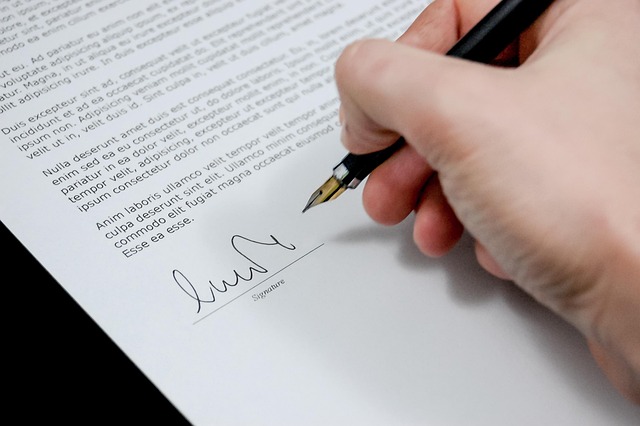
The purchase agreement is a crucial legal document for real estate transactions, protecting buyers and sellers by outlining essential terms including property details, payment conditions, financing requirements, contingencies, and dispute prevention clauses. Key elements such as financial verification, inspection standards, and repair obligations ensure transparency and reduce risks. Effective negotiation strategies include flexibility in financing plans and legal consultation to navigate challenges confidently, fostering trust throughout the transaction process.
In the dynamic realm of property ownership, understanding the intricacies of a purchase agreement is paramount for safeguarding investments and ensuring smooth transactions. This authoritative piece aims to demystify the often complex web of legal terminology, offering owners a trusted explanation that empowers them to navigate this crucial aspect with confidence. We’ll delve into the core elements of a purchase agreement, addressing common challenges and providing practical insights to foster informed decision-making. By exploring this fundamental document, property owners can avoid pitfalls and capitalize on opportunities in today’s competitive market.
Understanding the Purchase Agreement Basics

A purchase agreement is a cornerstone document in any real estate transaction, particularly for property owners looking to sell their assets. Understanding this legal framework is crucial for both buyers and sellers, ensuring a transparent and secure process. The agreement outlines the terms and conditions of the sale, including price, payment schedules, closing procedures, and various protections for both parties. One key aspect for borrowers, in particular, is grasping the borrower requirements detailed within this document.
Key elements include verification of financial standing to ensure the borrower can fulfill their obligations. This often involves providing proof of income, employment history, and creditworthiness. Lenders will assess these factors to determine the loan-to-value ratio, a critical metric gauging the risk associated with the loan. For instance, a lower LTV ratio may indicate a more favorable borrowing scenario, as it suggests a substantial down payment or strong credit history. Moreover, the agreement specifies any associated costs, such as closing fees, legal expenses, and property taxes, which borrowers are responsible for covering.
Practical advice for borrowers is to thoroughly review the purchase agreement before signing. Seek clarification on any ambiguous clauses and ensure all required documents are in order to meet lender specifications. This proactive approach not only helps avoid potential delays but also demonstrates a commitment to the transaction’s integrity. Remember, a well-understood purchase agreement is pivotal in ensuring a smooth sale process and fostering long-term trust between buyers and sellers.
Key Components: A Detailed Breakdown

A purchase agreement is a critical document for property owners, outlining the terms and conditions of a real estate transaction. When entering into a sale, it’s essential to understand the key components that constitute this legal binding contract. This comprehensive breakdown aims to demystify the process, ensuring property owners are well-informed about their rights and obligations.
The primary focus of any purchase agreement is to protect the interests of both parties: the seller and the purchaser. Central to this protection are clear specifications regarding the property’s details, including its description, location, and current state. For instance, a comprehensive agreement should include a detailed list of improvements made to the property and their value, along with any known issues or defects. This transparency is crucial for borrowers as it enables them to assess the asset they are investing in and plan accordingly. Additionally, the agreement must outline the purchase price, payment terms, and any applicable financing options, which are key factors in a borrower’s decision-making process.
Another vital aspect is the inclusion of borrower requirements. These specify the criteria that potential buyers must meet to secure the property. Lenders often require borrowers to provide proof of income, employment history, and financial statements to assess their creditworthiness. The agreement should clearly state these requirements, giving borrowers a clear understanding of what they need to prepare before making an offer. For instance, lenders may set minimum credit scores or debt-to-income ratios, which are essential for qualifying borrowers in today’s competitive market.
Furthermore, the purchase agreement should cover contingencies and conditions that can impact the sale. Common clauses include home inspections, appraisals, and title searches, all of which protect both parties by ensuring the property meets certain standards and has a clear legal title. By understanding these key components and their implications, property owners can navigate the process confidently, making informed decisions throughout.
Protecting Your Interest: Negotiation Strategies

Protecting your interests during a property purchase is non-negotiable for any savvy homeowner. A comprehensive and well-negotiated purchase agreement serves as the bedrock of this protection, outlining essential terms and conditions that safeguard both buyers and sellers. While the focus often remains on securing favorable pricing, skilled negotiators understand that key clauses within the agreement are what truly guard against potential pitfalls and disputes down the line.
Central to this process is ensuring your agreement addresses all relevant aspects of the transaction, including clear definitions of property boundaries, inspection requirements, and any specific repairs or maintenance responsibilities. For instance, a robust purchase agreement might mandate a thorough home inspection, specifying the borrower’s rights to negotiate repairs based on findings, a strategy proven effective in mitigating unforeseen costs. Additionally, outlining the terms of financing, including interest rates, repayment schedules, and borrower qualifications, is paramount. Lenders typically require borrowers to meet certain criteria, such as maintaining a specific credit score or providing adequate down payment, which should all be clearly stated in the agreement to avoid misunderstandings.
Negotiation strategies for property owners involve balancing assertiveness with practicality. It’s crucial to anticipate potential challenges and have backup plans in place, such as identifying alternative financing options if the primary loan terms aren’t favorable. Engaging a knowledgeable real estate attorney to review the purchase agreement is also essential, ensuring all legal aspects are considered. By employing these strategies and prioritizing a thorough understanding of the purchase agreement borrower requirements, property owners can navigate the transaction with confidence, knowing their interests are protected throughout the entire process.