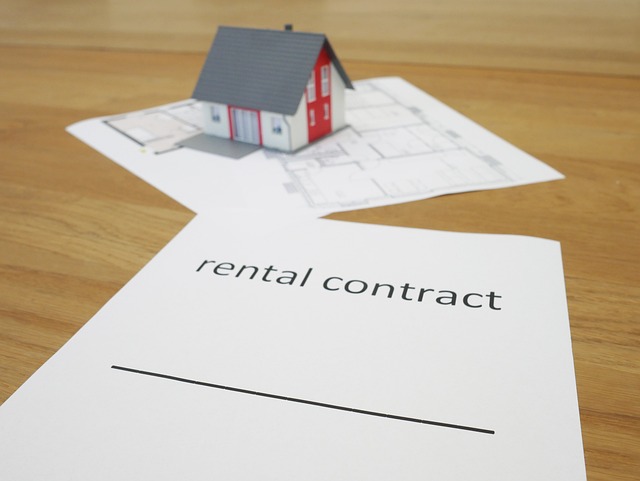
The purchase agreement is a cornerstone of real estate transactions, defining terms and obligations for buyers and sellers. Key aspects include property details, financing requirements, contingencies, and borrower protections. Negotiating crucial terms like loan conditions, inspections, and maintenance ensures borrower interests are met. Due diligence involves reviewing clauses on property condition, title, zoning, and financial obligations. Effective communication with legal representatives ensures the agreement complies with local laws and fosters trust in the closing process.
In the dynamic landscape of real estate, understanding a purchase agreement is paramount for property owners seeking to navigate transactions with confidence. This concise yet powerful legal document forms the bedrock of any sale, detailing terms, conditions, and expectations. However, its complexity often leaves owners grappling with key provisions and rights. This article aims to demystify the process, providing a trusted explanation that empowers property owners to make informed decisions when entering into a purchase agreement. By unraveling its intricacies, we equip folks to confidently steer through this crucial phase of property ownership or investment.
Understanding Purchase Agreements: A Property Owner's Guide

A purchase agreement is a critical component of any real estate transaction for property owners, serving as a legal framework ensuring both parties—seller and buyer—understand their rights and obligations. This document outlines the terms of the sale, including price, payment schedules, closing dates, and often includes contingencies such as home inspections or appraisals. For property owners, understanding this agreement is paramount to making informed decisions and avoiding potential pitfalls.
Key aspects of a purchase agreement include clear definitions of the property boundaries, condition, and any existing encumbrances. It also details the borrower requirements for financing, such as creditworthiness, down payment amounts, and interest rates. For instance, a common requirement is proof of adequate funds to cover not only the purchase price but also closing costs and potentially a reserve fund for repairs or unforeseen expenses. The agreement should explicitly state these expectations to prevent misunderstandings later.
Moreover, it’s essential to grasp the role of contingencies. These clauses protect both parties by allowing the buyer to terminate the agreement if certain conditions aren’t met—for example, if the home fails a thorough inspection or if financing falls through. Conversely, sellers can use contingencies to delay the sale without penalty, providing them time to find alternative buyers or negotiate better terms. A well-drafted purchase agreement balances these interests, ensuring fairness and transparency throughout the transaction.
To navigate this process effectively, property owners should seek professional advice from attorneys or real estate experts who can review the agreement for clarity and protect their best interests. Regular communication with the buyer’s agent or lender is also crucial to address any concerns about borrower requirements and ensure the deal progresses smoothly. By doing so, owners can confidently move forward, secure in the knowledge that their legal rights are protected by a comprehensive and fair purchase agreement.
Key Components of a Real Estate Purchase Contract

A purchase agreement is a pivotal document in any real estate transaction, providing a clear framework for both buyers and sellers. This legally binding contract outlines the terms and conditions of the property transfer, ensuring transparency and protection for all parties involved. When drafting or reviewing this agreement, it’s essential to understand its key components, especially as they pertain to the purchase agreement borrower requirements. These requirements not only safeguard lenders but also ensure borrowers understand their obligations.
Central to any real estate purchase agreement are detailed descriptions of the property, including its legal description, location, and current state. This information is crucial for both identifying the asset accurately and assessing potential risks or repairs needed. Additionally, the agreement must specify the sales price, payment terms, and any applicable taxes or fees. Transparency in these areas fosters trust between buyer and seller and facilitates a smoother transaction. For instance, a clear breakdown of closing costs helps borrowers plan financially by detailing what’s included in the purchase price and what they’re responsible for covering separately.
Another critical aspect is the inclusion of borrower requirements and financial disclosures. These may include proof of income, employment verification, and assets. Lenders often require these to assess the borrower’s ability to repay the loan. A comprehensive purchase agreement should also outline the consequences of default, including potential penalties or legal actions. This transparency not only prepares borrowers for potential outcomes but also enables them to make informed decisions about their financial capabilities. For example, specifying prepayment penalties can help borrowers weigh the long-term benefits of paying off a mortgage early against any immediate savings.
Negotiating Terms: Protecting Your Interests in Buying

When entering into a purchase agreement for property ownership, negotiating terms is a crucial step to protect your interests as a borrower. This process involves scrutinizing every aspect of the deal to ensure it aligns with your financial goals and legal rights. A well-negotiated purchase agreement not only sets clear expectations but also shields you from potential risks and unexpected costs.
One of the primary areas to focus on is defining the terms of the loan itself. This includes interest rates, repayment schedules, and any prepayment penalties or fees. For instance, a borrower might prefer a lower initial interest rate with the option to refinance later if rates drop significantly. Clearly articulating these preferences during negotiations can lead to more favorable terms in the final agreement. Additionally, borrowers should pay close attention to the purchase agreement borrower requirements related to property insurance and maintenance responsibilities, ensuring they are protected against unforeseen damages or repairs that may arise after ownership transfer.
Another critical aspect is the inspection clause. Borrowers have a right to have the property inspected by a qualified professional to assess its condition. This step is vital as it can reveal potential issues that might affect the value of the property or increase maintenance costs. If significant problems are discovered, negotiations can then focus on cost adjustments, repairs, or even backing out of the deal if necessary. Remember, an informed borrower is better equipped to navigate the complexities of a purchase agreement and secure terms that protect their investment.
By actively participating in the negotiation process, borrowers can shape their purchase agreement to meet specific needs. This may involve seeking legal counsel to review the draft agreement and provide guidance on clauses that could impact their financial health and property ownership experience. Data suggests that borrowers who understand and assert their rights during negotiations often achieve more favorable outcomes, ensuring a smoother transition into homeownership or investment.
Legal Implications and Due Diligence for Smooth Transactions

Creating a robust purchase agreement is paramount for ensuring smooth transactions in real estate deals, particularly when navigating complex legal landscapes. Every property owner looking to sell their asset must understand that this legal document forms the backbone of the process. The agreement outlines the terms and conditions, including price, payment schedules, and responsibilities, providing clarity and protection for both parties involved. Legal implications are significant, as it serves as a legally binding contract, and any discrepancies or omissions could lead to disputes.
Due diligence plays a pivotal role in mitigating risks associated with property purchases. Borrowers should meticulously review the agreement, paying close attention to clauses related to property condition, title ownership, zoning regulations, and financial obligations. For instance, ensuring that the seller discloses all known issues and provides accurate information on property taxes and insurance is essential. A comprehensive due diligence process involves verifying these details through public records, professional inspections, and legal counsel—all of which are borrower requirements in many jurisdictions to protect against unforeseen liabilities.
Moreover, the purchase agreement should be tailored to reflect unique circumstances. For instance, stipulating specific repair or renovation obligations before closing can prevent post-purchase disputes. Additionally, including provisions for contingencies like market fluctuations or title issues demonstrates a forward-thinking approach. Regular communication with legal representatives throughout this process is crucial, as they can offer expert advice on crafting an agreement that aligns with local laws and regulations while safeguarding the borrower’s interests.
Closing the Deal: Execution, Signatures, and Beyond

Closing the deal on a property purchase is a complex process requiring meticulous execution and careful attention to detail. The purchase agreement, a cornerstone of this transaction, must be thoroughly understood by both parties—seller and borrower. This legal document outlines the terms and conditions of the sale, serving as a binding contract once signed. It’s not merely a formality; it ensures transparency, safeguards interests, and sets the stage for a successful transfer of ownership.
Upon reaching an agreement, the next crucial step involves gathering and verifying all necessary documentation. Borrowers must provide proof of funds, employment status, and income to support their financial commitment. This process is vital to ensuring the borrower’s ability to repay the loan and mitigating risk for the lender. For instance, a common requirement is verification of employment through pay stubs or tax returns, along with bank statements to confirm liquid assets. Additionally, borrowers may be asked to undergo a credit check to assess their creditworthiness. These measures are standard practices in the industry and designed to protect both parties from potential financial risks.
Once all documents are in order and borrower requirements met, the signing ceremony takes place. This formalizes the agreement and marks the commitment of both parties. It’s essential that all terms be clearly understood before finalizing the signature. Any ambiguity or uncertainty should be addressed promptly. After the signatures are executed, the process continues with legal review, title transfer, and, finally, the exchange of funds and keys, officially closing the deal. This meticulous approach ensures a smooth transition of ownership, fostering trust between all involved in the transaction.